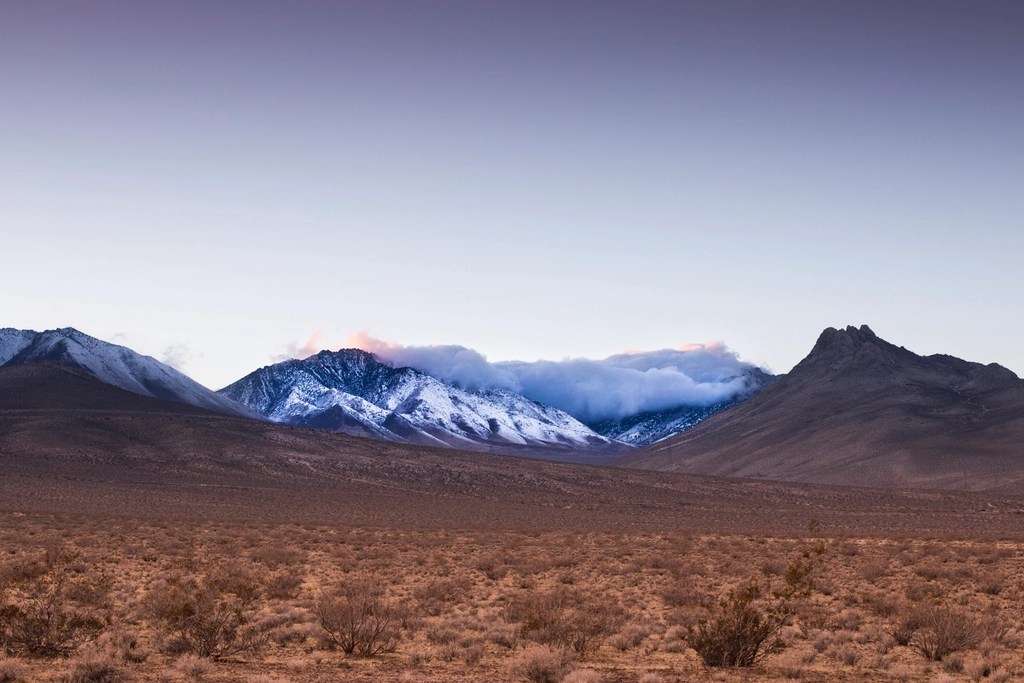
So I led them out of the land of Egypt and brought them into the wilderness. I gave them my statutes and made known to them my rules, by which, if a person does them, he shall live. Ezekiel 20:10-11
Maybe as you read this, you find yourself in the midst of a heavy struggle. Perhaps you’re experiencing a spiritual drought or navigating the turbulent waves of challenges in your marriage. You may love that child beyond expression, and yet today, you feel overwhelmed by the profound question of how to survive parenthood. Are you grappling with depression, anxiety, or a chronic health issue, desperately longing for a day when the burdens you carry will begin to feel lighter? If you’re anything like me, you might find yourself balancing several difficulties, feeling as though you’ve been on this struggle bus for what seems like an eternity… yearning for that next stop, eager to step off and breathe again. If this resonates with you, then let’s embark on this conversation together.
The last nearly five years have truly felt like an endless journey through a vast desert, where the “promised land” seems perpetually out of reach, always shifting just beyond my grasp. I often find myself circling the same mountain, grappling with disbelief and wondering, “Haven’t I faced this mountain before?” This expresses the profound challenges life has presented, marked by fleeting moments of triumph that feel like distant peaks on the horizon. My journey has been fraught with tumultuous and often toxic relationships that have led to a torrent of tears. Yet, in the midst of this chaos, I am truly blessed with my children, each one navigating their own hurdles as we learn to face them together with courage. Compounding these struggles are my chronic health challenges; battling Hashimoto’s and fibromyalgia complicates my daily functioning, almost as if it’s the icing on a particularly difficult cake. Those last three sentences alone could easily evolve into lengthy blog posts, as they barely scratch the surface of the myriad struggles I face. But through it all, the essence remains: life has been a relentless challenge, draining yet interspersed with moments that have profoundly tested my will to persevere through these trying times.
I realize that you are too dear reader probably are juggling your own trials, testing and hard things. If that is the case, let me begin by saying, I’m so sorry and it will be ok. I don’t know what that ok will look like, but I can guarantee that God is the God of the mountain, the God of the valley and the God of the wilderness. If we are to say we truly believe God’s word, then we can rest in Romans 8:28, “And we know that for those who love God all things work together for good, for those who are called according to His purpose.” When it says, all things work together for good, that is not to say every situation will turn out like you would hope for it to. The situation may not feel good or look good, but God uses it for our good. The ultimate good in our lives is that we know God and are made more like Him…that is true goodness. Those hard things refine us, sanctify us and help us to see the character of the God who loves us…that is the good Paul speaks of. If it feels like you are just wandering and possibly lost, rest assured, you are not lost if God is leading your way.
The Israelites are examples of this very idea. We see this in Exodus when God rescues His people from the hand of Pharaoh and brings them into the wilderness. The books of Exodus through Deuteronomy give us accounts of their journey from Egypt to the Promised Land. God would rescue them from slavery, part waters for them, and then wipe out the Egyptians with the Red Sea, yet the Israelites would grumble, complain, and trade out God for a golden calf as soon as they figured Moses had abandoned them. It would take God one night to get His people out of Egypt, but 40 years to get Egypt out of His people. While in the wilderness, God would speak to His people; He would give them His instructions (or the law), and it would be there in the wilderness that they would come to know the God who loved them.
There is a word in Hebrew for the wilderness…midbar. God’s people were wilderness people, midbar people. It is in the wilderness where the Israelites would receive the word of the Lord. Another Hebrew word I’m going to throw at you: one of the words for ‘word’ in Hebrew is dabar. So, while God’s people were in the wilderness, they received God’s word there: dabar midbar…a word in the wilderness.
What I love is we find God beckoning His people back into the wilderness later in scriptures. There was a time when God’s people would lose their way, majorly. Due to their consistent disobedience to God, they would find themselves exiled. Jerusalem, the holy city, would be turned upside down, and God’s people would be led to a land that was not their home. They would be exiled for 70 years. I love, though, what the Lord says during this time. Hosea 2:14, God says, “Therefore, behold, I will allure her, and bring her into the wilderness and speak tenderly to her.” Did you catch that? The Lord wanted to allure her, meaning Israel, back into the wilderness. Why would He want to do that? It was in the wilderness that He gave His people His word and where He made Himself known to them. It was at the base of Mt. Sinai that God made a covenant with His people…one that they would break repeatedly but that He would faithfully uphold on His end. The wilderness is a place where we can meet with God.
With all that being said, here is what I want to encourage you and challenge you with. You know that hard place we were talking about earlier? I know you would really like to get out of it. Trust me, I know it’s hard and uncomfortable. Our initial reaction when in a struggle is to want to get out of it. I know this is going to sound crazy, but what if instead of trying to rush out of the wilderness, what if we learned to plant ourselves there? What if instead of begging God to make this season just end already, we ask Him what He is wanting to say to us and teach us while we’re there? Maybe instead of rushing these hard things, we look for God in it all. If we can learn to see these places as opportunities to hear from God and know Him more, then we will begin to see beauty in the wilderness.
 The “Root-Full” and Fruitful Life